LabMGF scientific supervisor:

Dr. Lorenzo Rossi
Professors:
Prof. Riccardo Barzaghi
Prof. Livio Pinto
Livio Pinto is Full Professor of Topography and Cartography (ICAR/06) at the Department of Civil and Environmental Engineering of Politecnico di Milano, where he coordinates the Geodesy and Geomatics Section and serves as Head of the Lab2R Laboratory at the Piacenza campus. He holds an MSc in Civil Engineering and a PhD in Geodetic and Topographic Sciences. His research and teaching activities focus on photogrammetry, GNSS, mobile mapping systems, and UAV-based surveying. He is the author or co-author of more than 190 scientific publications, with significant international impact, and serves as Associate Editor of the journal Applied Geomatics. He has coordinated and supervised numerous PhD candidates as well as Bachelor’s and Master’s theses. His main research interests include direct sensor orientation, infrastructure and land monitoring, digital photogrammetry, and the application of low-cost technologies for surveying and 3D modeling.
Prof. Mirko Reguzzoni
Mirko Reguzzoni was born in 1974 in Como, Italy. He is an associate professor at DICA, Politecnico di Milano. He graduated in Computer Engineering and got a PhD in Geodesy and Geomatics. Since 2011 he has been teaching Photogrammetry and Drone Surveying. He also taught or is still teaching other M.Sc. and Ph.D. courses, such as Navigation Laboratory, Surveying in Earthquake Engineering, Geospatial Data Analysis and Monte Carlo Markov Chain Statistical Methods. From 2018 to 2023 he was visiting professor at Bonn University, Institute for Geodesy and Geoinformation, teaching the M.Sc. course of Collocation and Applications.
He mainly works on global modelling of the Earth gravity field, especially from satellite mission data. He was involved in the GOCE (Gravity field and Ocean Circulation Explorer) mission data processing and is now involved in the preparation of future gravity missions, also based on quantum technology. Other relevant research fields concern physical geodesy (estimation of local geoid models and inverse gravimetric problems) and GNSS/SAR deformation monitoring. He is a fellow of IAG (International Association of Geodesy) and, in the frame of this association, he is currently president of ISG (International Service for the Geoid) and associate editor of Journal of Geodesy.
Prof. Daniela Carrion
Daniela Carrion is Associate Professor at Politecnico di Milano, teacher of GIS and Geospatial data processing and mapping for crisis management. She holds a PhD in Geodesy and Geomatics. She acquired expertise on crisis mapping during a two year experience at the Joint Research Centre (Ispra, Italy) of the European Commission, where she performed technical and scientific validation of Emergency Services and Crisis Maps. She is director of the International Service of the Geoid, an official service of the International association of Geodesy. Her main research activities are: geospatial data processing for environmental applications, use of Volunteered Geographic Information for environmental applications and Crisis Mapping, database design and implementation, map readability, geoid computation, height datum problem and gravity field interaction with levelling measurements.
Prof. Carlo De Gaetani
Carlo Iapige De Gaetani is Associate Professor for the Department of Civil and Environmental Engineering at Politecnico di Milano. After the graduation as Civil Engineer, he earned a PhD in Environmental and Infrastructure Engineering with honors, where he established a research profile deeply rooted in Geodesy and Geomatics. He had experiences in the oil and gas industry as Research Geophysicist but then he directed to the academic career where he started with research activities and teachings in typical geomatics subjects like photogrammetry, positioning, surveying and spatial data processing. In addition, a distinctive element of his career is the connection and application of Building Information Modeling (BIM) methodology on which he is working since 2018. Confirming his commitment to these fields, current main activities are related to infrastructure survey and modelling for monitoring purposes, exploiting the double background in both Geomatics discipline and BIM.
Post-Doctoral Researcher
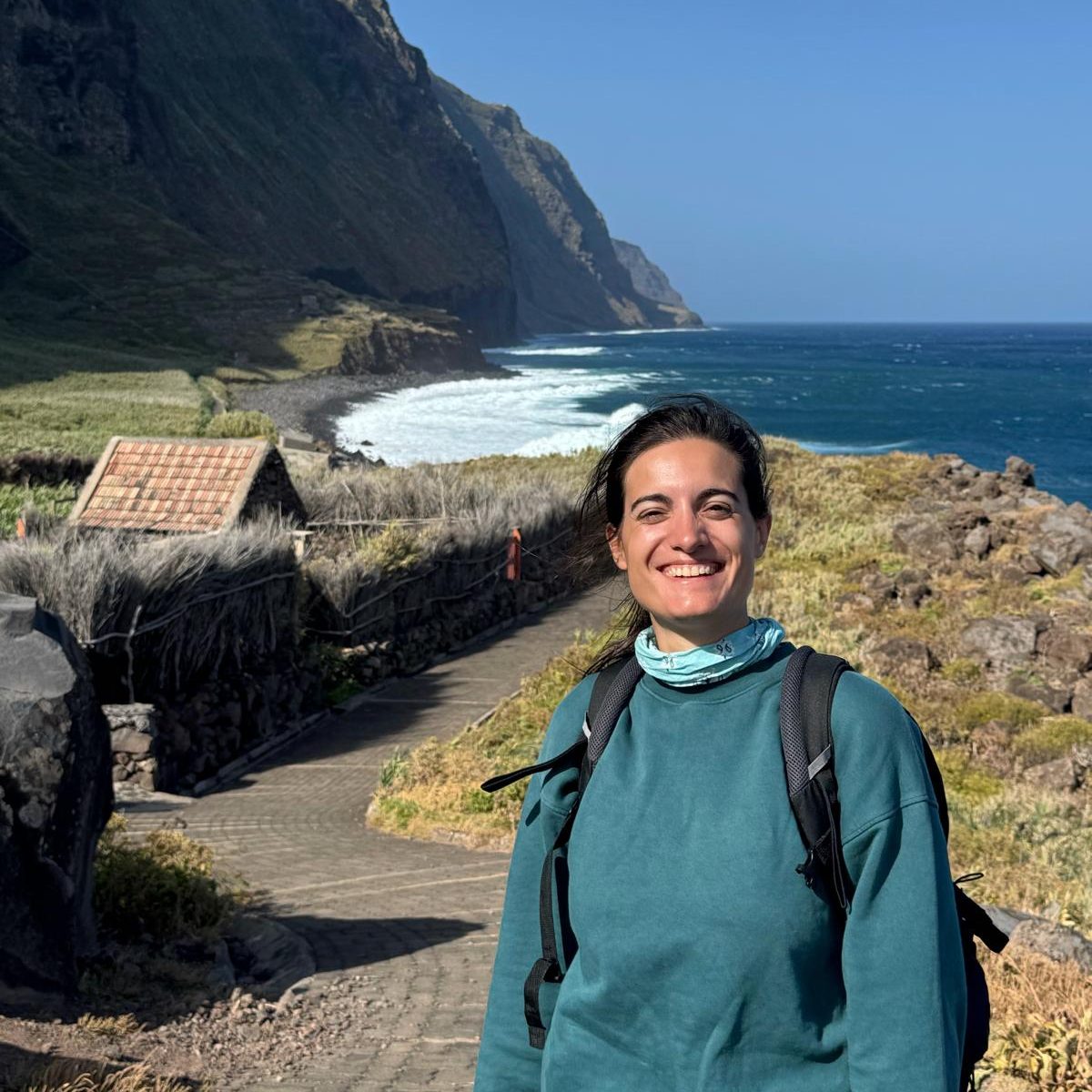
Dr. Federica Gaspari
Federica earned an MSc in Environmental and Land Planning Engineering, specialising in Geomatics, Surveying and GIS, from Politecnico di Milano in 2020. Her research focuses on designing and implementing open-source geospatial solutions for the efficient management of data in real-world scenarios. Applications include bridge inspections, cultural heritage valorisation and glacier monitoring, combining webGIS with 3D geodata visualisation and management in a web-based environment. She is passionate about open science culture and is an active member of the Italian and international FOSS4G and OpenStreetMap communities. She has been a Charter member of OSGeo since 2022 and is one of the founders of PoliMappers, a group of volunteer students dedicated to humanitarian mapping and capacity-building initiatives. In her free time, she enjoys cinema, listening to Beyoncé, playing padel, and swimming in her beloved Lake Maggiore.
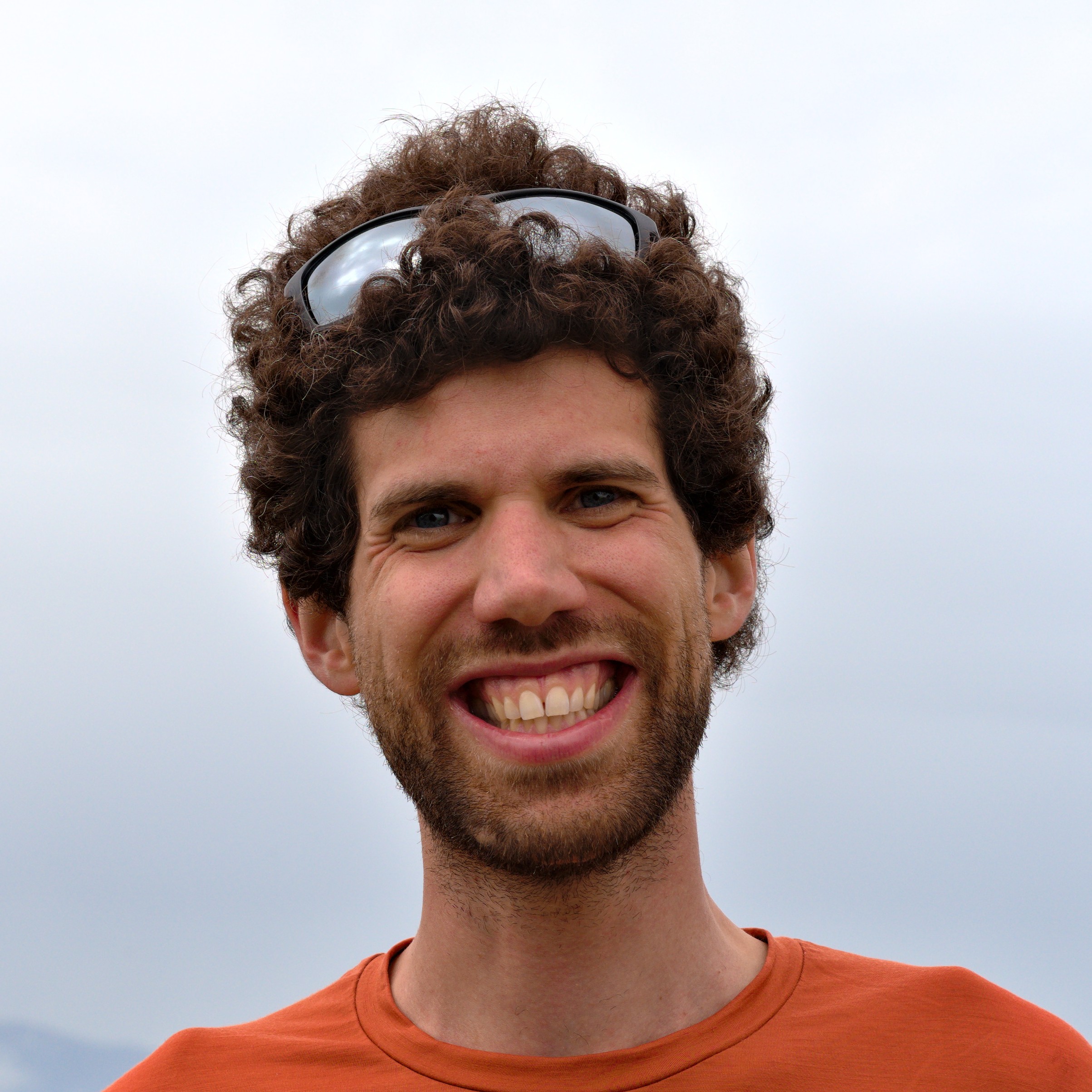
Dr. Francesco Ioli
Francesco Ioli holds a PhD in Environmental and Infrastructure Engineering (Geomatics) from Politecnico di Milano, with a thesis on multi-scale and multi-temporal photogrammetry for alpine glacier monitoring (https://www.politesi.polimi.it/handle/10589/224092). He previously worked as a postdoctoral researcher at the University of Zurich, Dept. of Geography, developing satellite multi-view stereo pipelines for regional glacier mass balance, and then at CNR IRPI, working on low-cost image analysis workflows for glacier instability monitoring at Planpincieux. He now works at Politecnico di Milano, DICA, contributing to the MOHYCAM project, addressing hydrogeological vulnerabilities at the Belvedere Glacier by combining glacier dynamics monitoring with geomatics techniques with community-based risk awareness strategies. His expertise spans photogrammetry, deep learning-based image matching, geospatial data processing, and IoT-based environmental monitoring. He is passionate about coding, open-source development, and open data, and is a core contributor to tools including Deep-Image-Matching and ICEpy4D. He volunteers as a field researcher with the Servizio Glaciologico Lombardo. Outside research, Francesco is passionate about mountains and the outdoors: trail running, alpine climbing and skiing, bike touring, and photography.
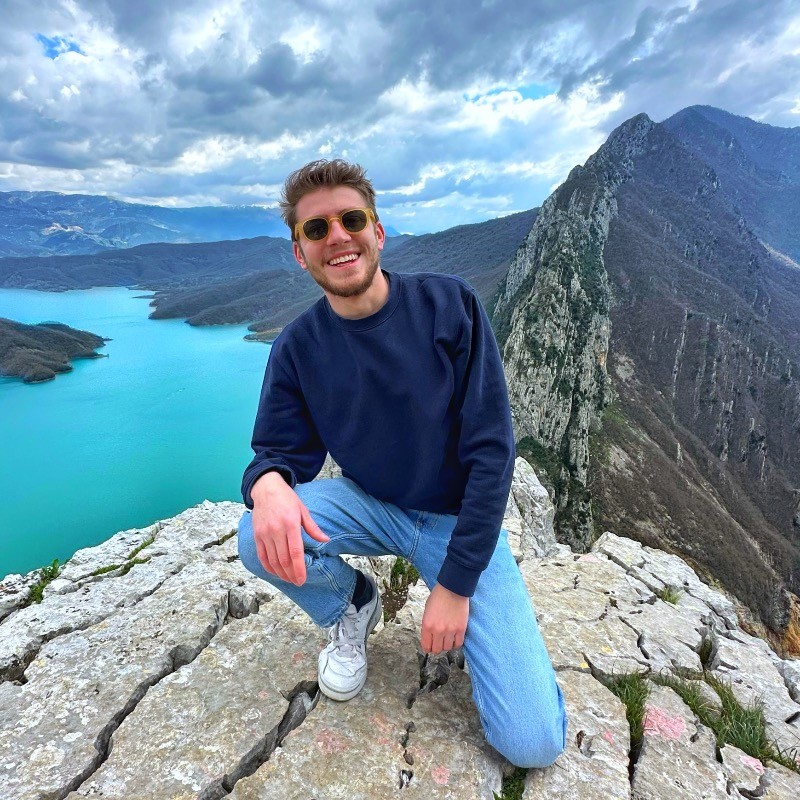
Dr. Roberto Monti
Roberto Monti was born on 11 April 1996 in Como, Italy. He holds a background in civil engineering, with research interests that have progressively shifted towards environmental and Earth observation applications. During his PhD, he developed a procedure aimed at automating and streamlining the state-of-the-art SNAP–StaMPS workflow for Synthetic Aperture Radar (SAR) image processing and the application of the Persistent Scatterer Interferometry (PSI) technique. To support the interpretation of PSI products, he designed a MATLAB-based tool for the geospatial modelling of spatio-temporal displacement fields using multiple statistical techniques, enabling non-expert SAR users to effectively exploit these datasets. His work focuses on improving the accessibility, reliability, and applicability of satellite-based deformation monitoring for environmental and infrastructural analyses. Beyond his research activities, he is passionate about sports, from running to following Formula 1, and carried the torch for the Milano–Cortina 2026 Winter Olympics. He also has a strong interest in space exploration, which underpins his motivation to work with satellite data.
PhD students:
Eng. Amir Mohammad Eslami
Amir Mohammad Eslami (born 1996, Tehran) holds an MSc in Environmental and Land Planning Engineering from Politecnico di Milano, where he is currently a PhD candidate in Environmental and Infrastructure Engineering. His research focuses on satellite gravity field recovery, specifically analyzing the GRACE-FO mission and simulating future satellite configurations and the integration of new quantum technologies. Amir’s primary interest lies in leveraging Earth Observation techniques for large-scale environmental monitoring. Additionally, he serves as a teaching assistant for the MSc-level Photogrammetry course. In his spare time, he is a photographer and amateur astronomer, enjoys traveling, and practices musical instruments.
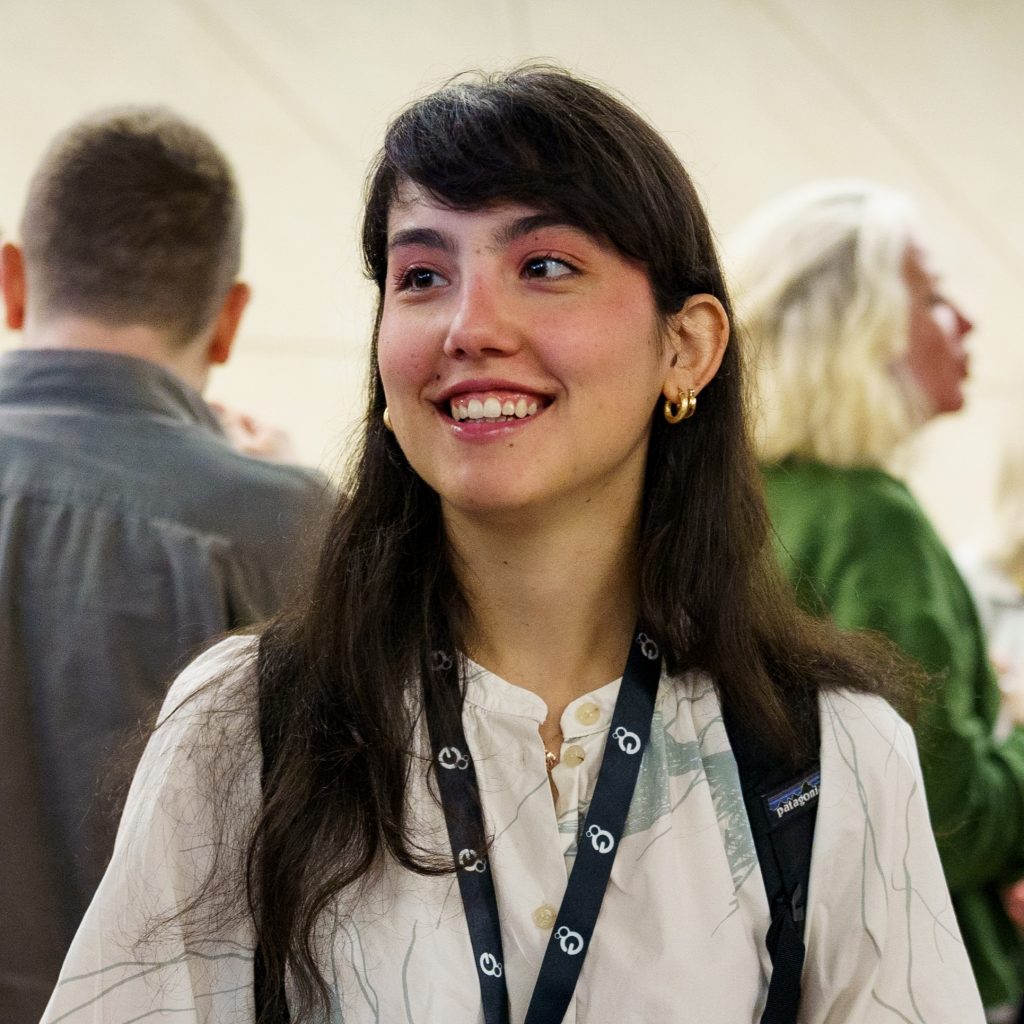
Arch. Rebecca Fascia
Rebecca Fascia, born in 1998, is a PhD student in Environmental and Infrastructure Engineering at the Politecnico di Milano. She is specializing in infrastructure monitoring through the application of Bridge Information Modelling (BrIM). Her doctoral research focuses on developing a multimedia platform for storing and managing data on civil infrastructure and heritage structures, with the aim of supporting maintenance operations and improving decision-making processes. Through the integration of traditional geomatics techniques, such as photogrammetry and laser scanning, with monitoring tools and BrIM methodologies, she intends to facilitate the development of an accessible system for both experts and non-experts alike, thereby promoting more efficient and informed maintenance management.
Her research interests also include surveying existing assets for the conservation and preservation of historical sites. In fact, she is also dedicated to studying strategies for promoting and valorizing cultural heritage, drawing on her academic background in architecture and her Master’s degree in Building Architecture, which focused on heritage conservation. She is known for her curiosity, motivation, teamwork and effective time management. She is passionate about architecture, art, photography and travel, considering them essential for discovering and understanding the history and culture of places and people.
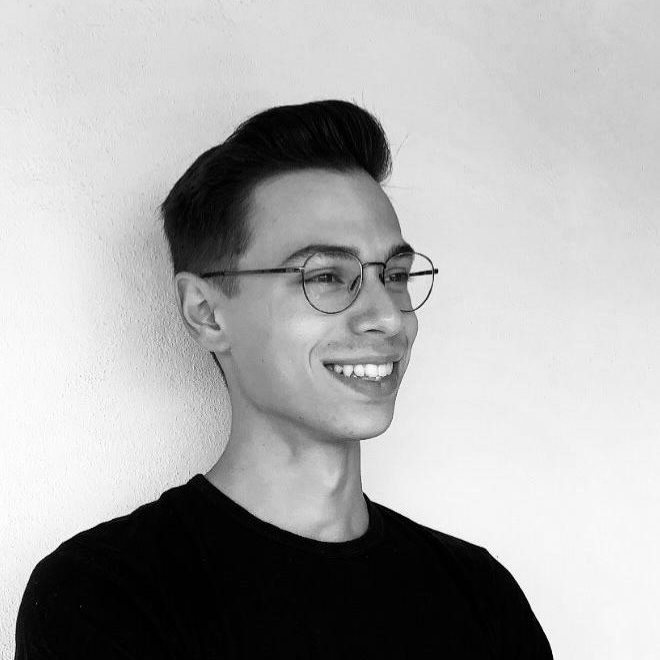
Arch. Marco Gentile
Marco Gentile (born in 2000) is a PhD student in Environmental and Infrastructure Engineering at the Politecnico di Milano, within the Environmental and Hydraulic Engineering and Geomatics research area. He is a Landscape Architect and Urban Planner with a strong interest in climate change, hydrology, sustainability, and environmental systems.
During his academic career at the Politecnico di Milano, where he earned a Bachelor’s Degree in Urban Planning and a Master’s Degree in Landscape Architecure, he developed a strong interest in the analysis and representation of spatial phenomena through GIS. This interest was further strengthened during both his Bachelor’s and Master’s thesis projects, which involved extensive use of GIS tools and spatial data. From an early age, time spent in natural environments shaped his passion for landscapes and natural resources, leading him to develop a particular interest in mapping and geographic data.
His research focuses on the development of a GeoAI-driven, GIS-based multi-criteria framework for site suitability assessment. By integrating environmental, hydrological, and infrastructural factors, his work aims to provide spatial decision-support tools for sustainable lithium extraction, advancing current GIS-Multi Criteria Evaluation (GIS-MCE) applications in the mining sector.
Collaborators:
Eng. Federico Barbieri
Technician
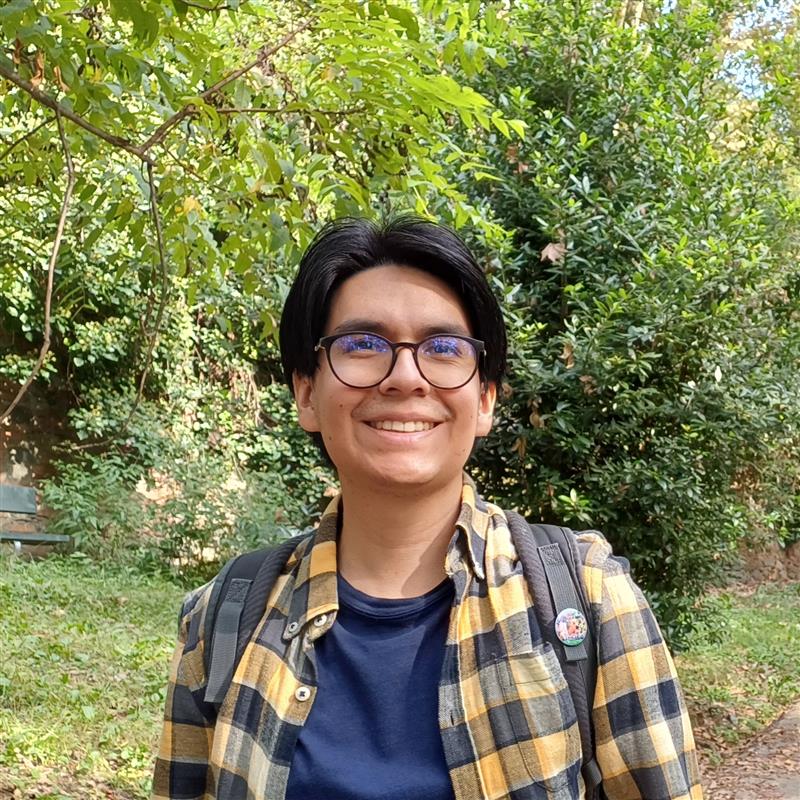
Arch. Diego Antonio Fuentes Solis
Intern